
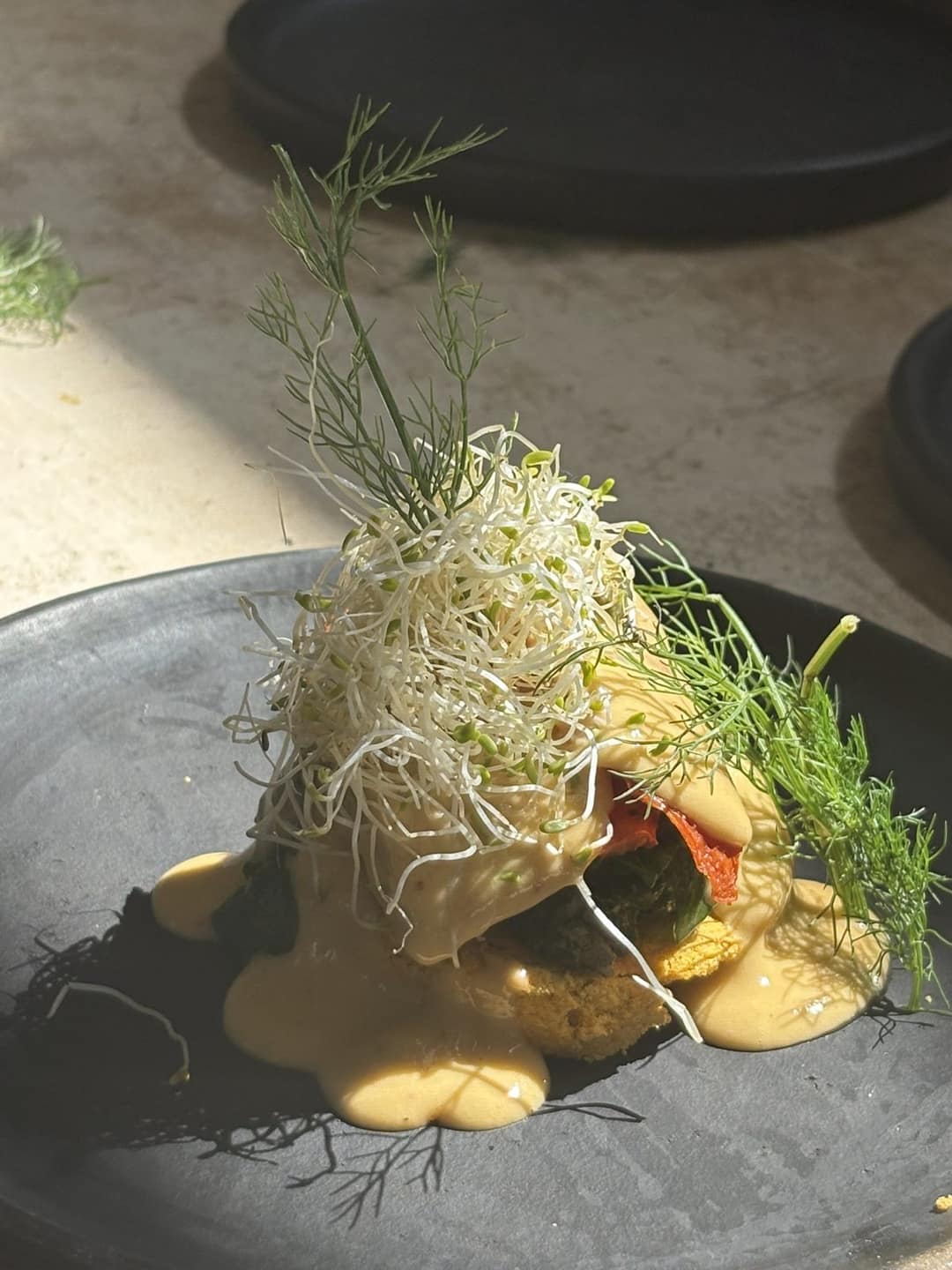
Raw and living
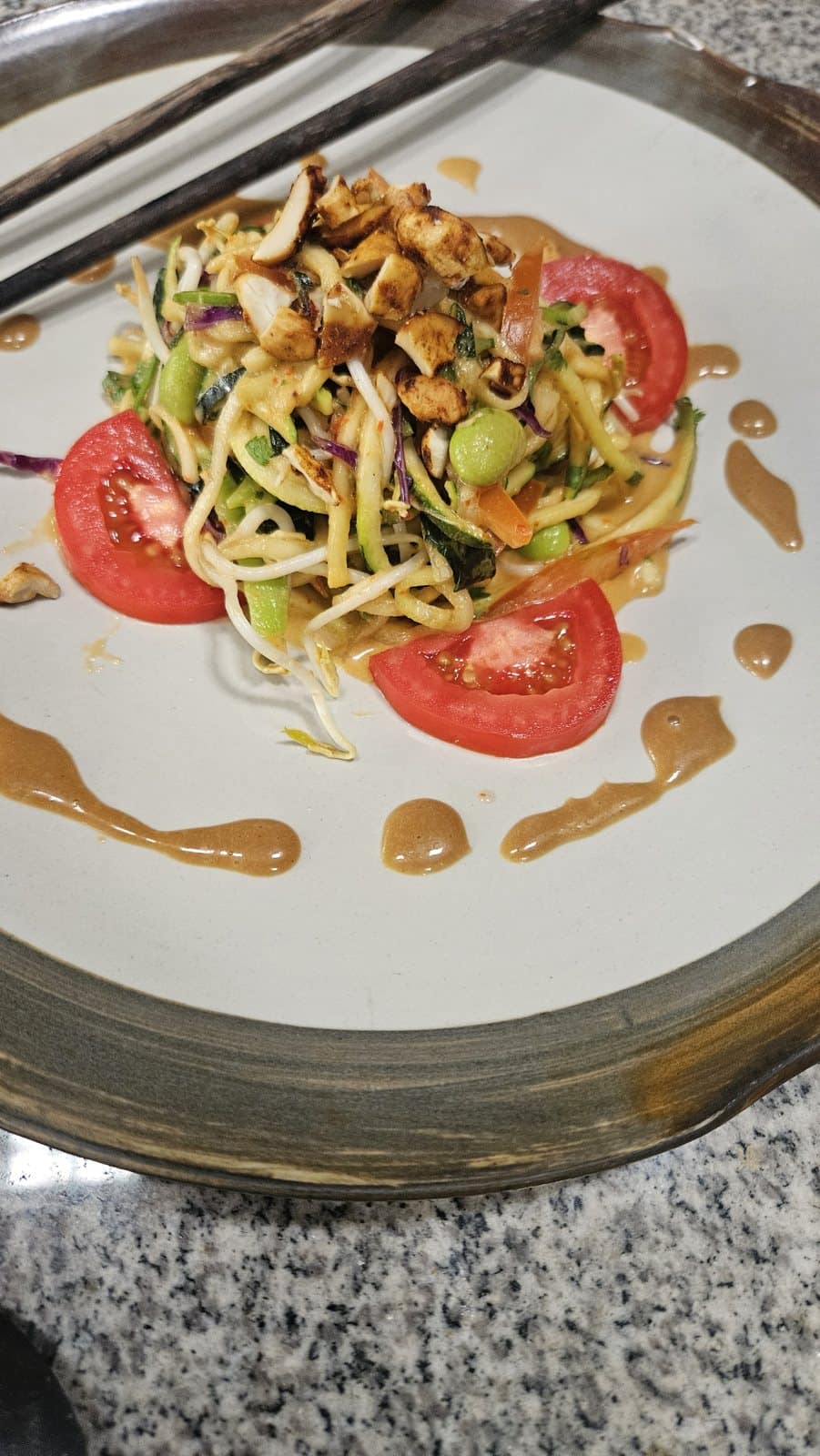
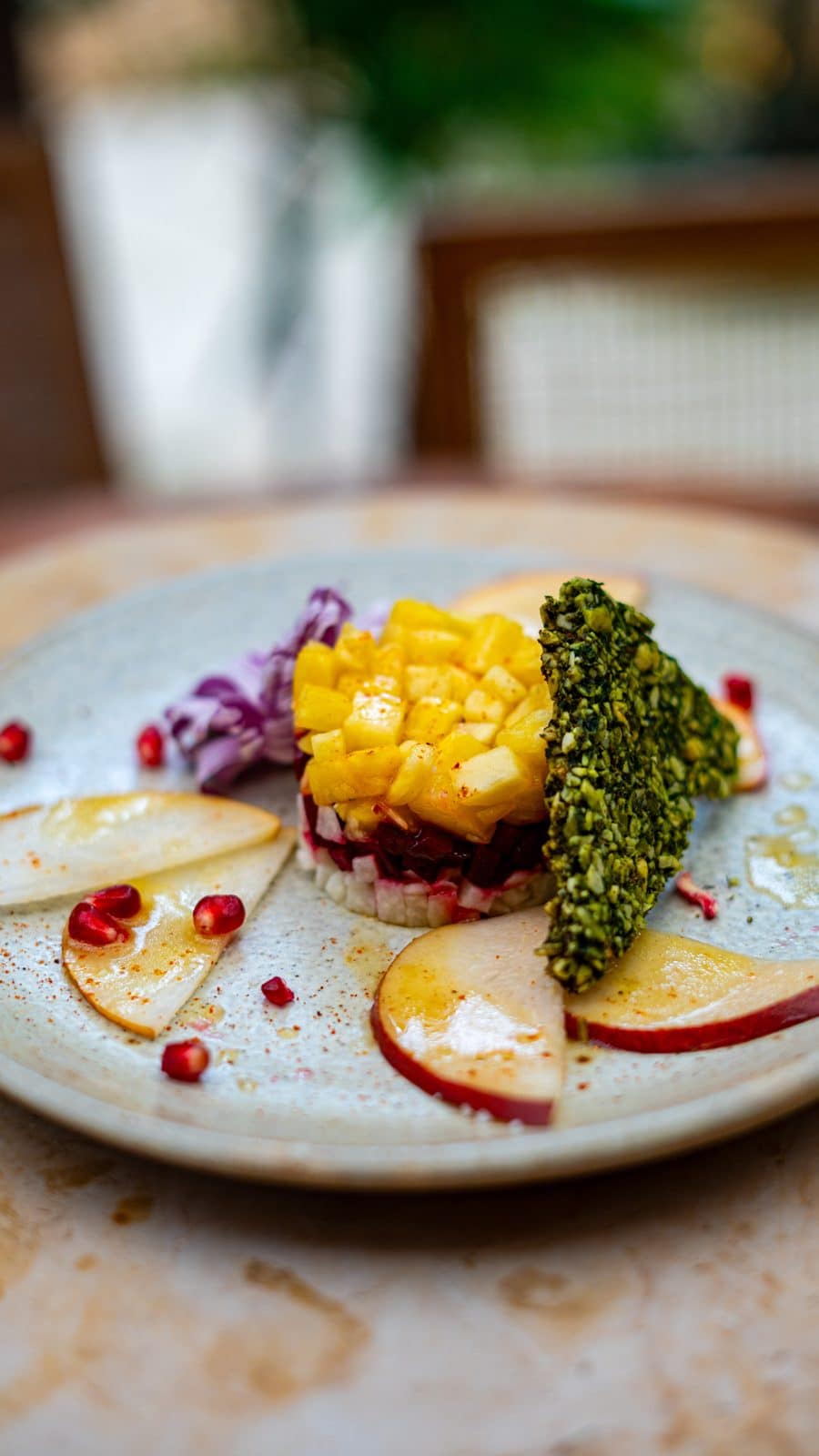
Sprouted, cultured and dehydrated, full of colour. Learned at Moksa in Bali.
Our culinary philosophy
Whole ingredients prepared from scratch, in any style you like: raw and living, plant-based, from the sea or from the land.
I choose ingredients that are alive with colour, flavour and nutrition, buy them from the farms and boats of Hawaiʻi Island, and prepare everything from scratch, by hand.
Nothing artificial: no refined sugars, seed oils, artificial dyes, preservatives or chemical additives. Some dishes are served raw or gently warmed to keep their life and nutrition; others want fire and time. Either way, every bite should taste like real food.
Every style, one chef
I grew up in my grandmother’s Italian restaurant and trained in Tokyo, Bali, Chiang Mai and Oaxaca, so the menu follows how you like to eat. Mix styles across a week, or within a single dinner.
Sprouted, cultured and dehydrated, full of colour. Learned at Moksa in Bali.
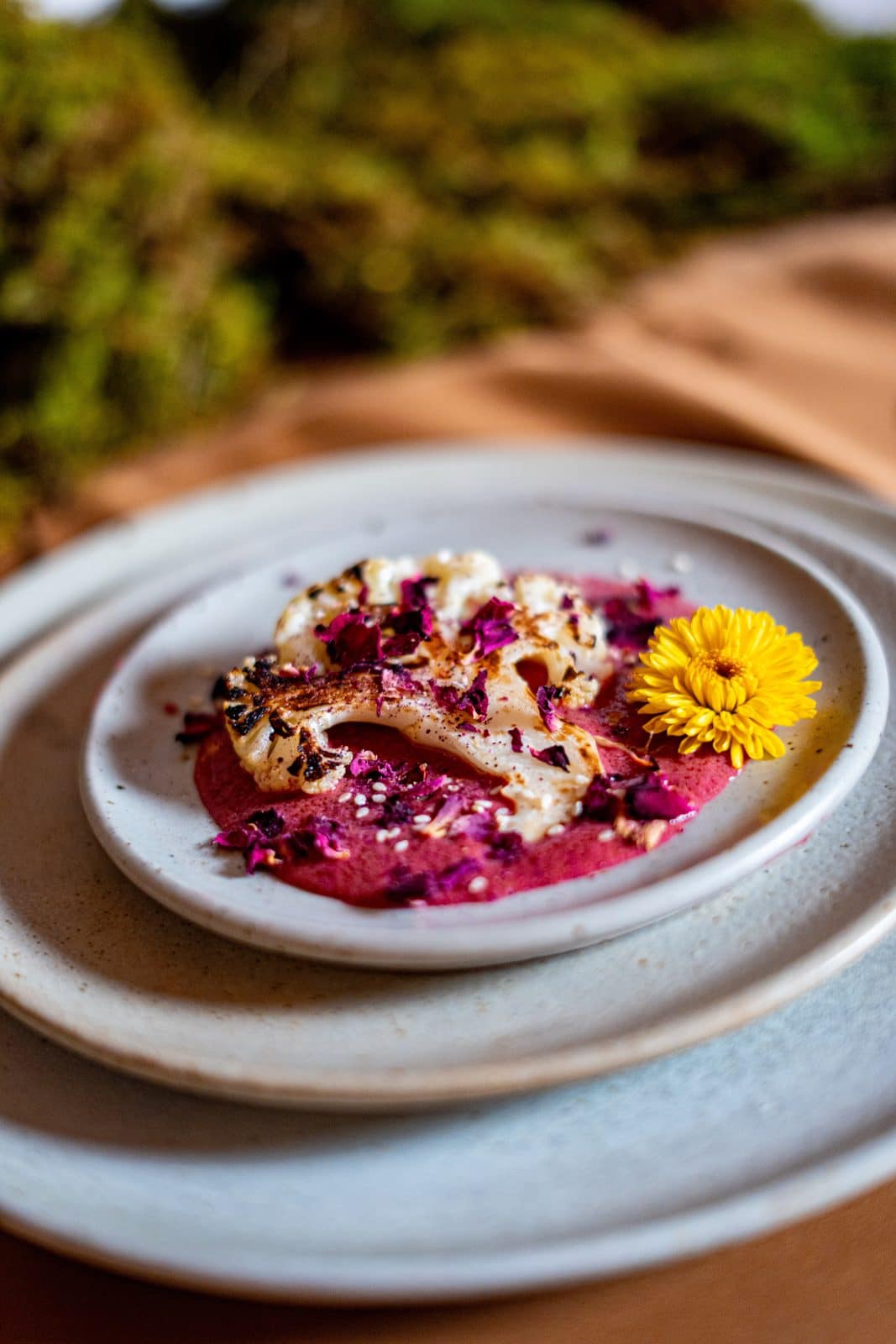
Vegetables as the main event, fully vegan and gluten-free when you want it.
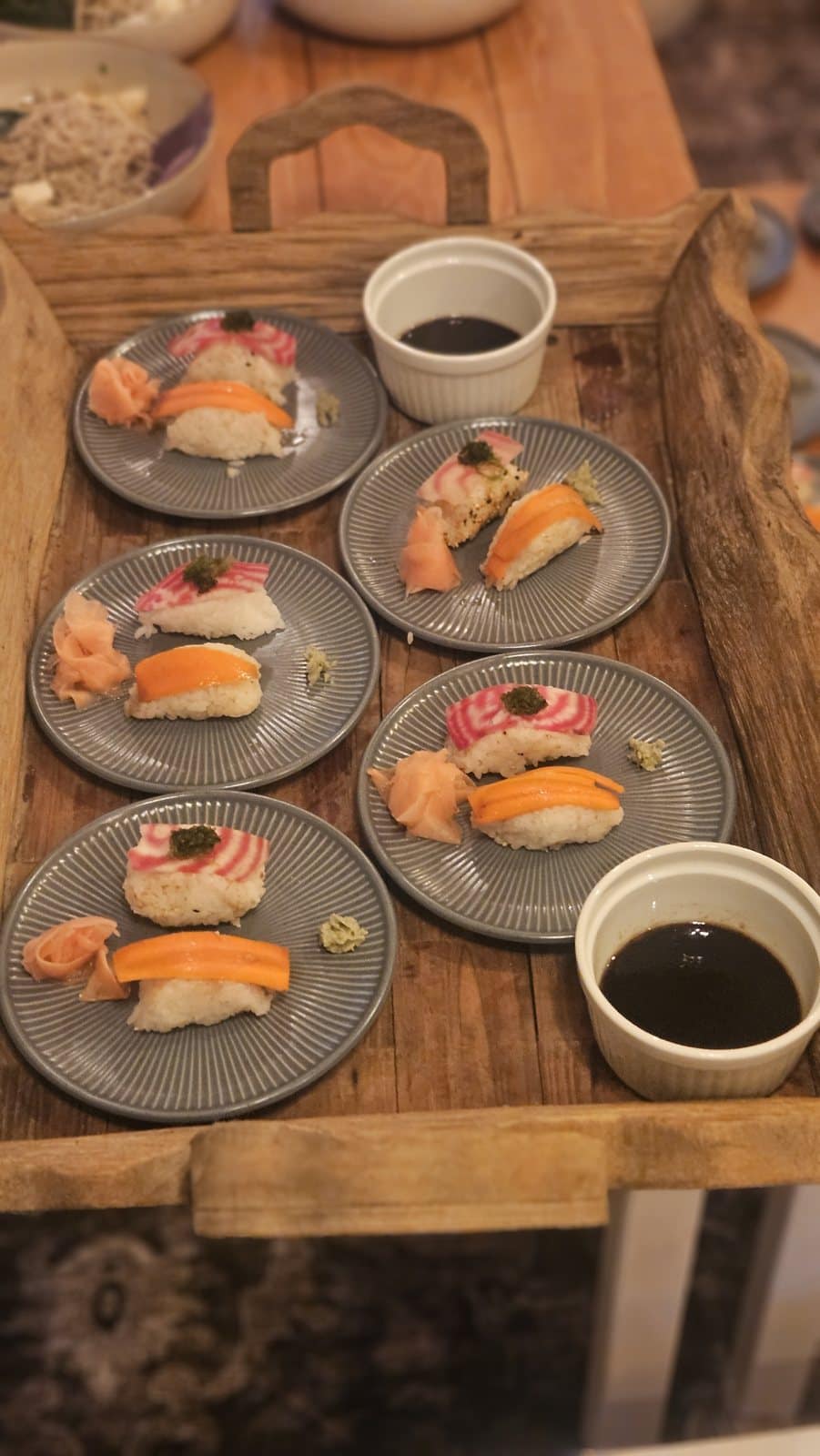
Kona kampachi, ahi and ʻōpakapaka from the boats at Honokōhau.
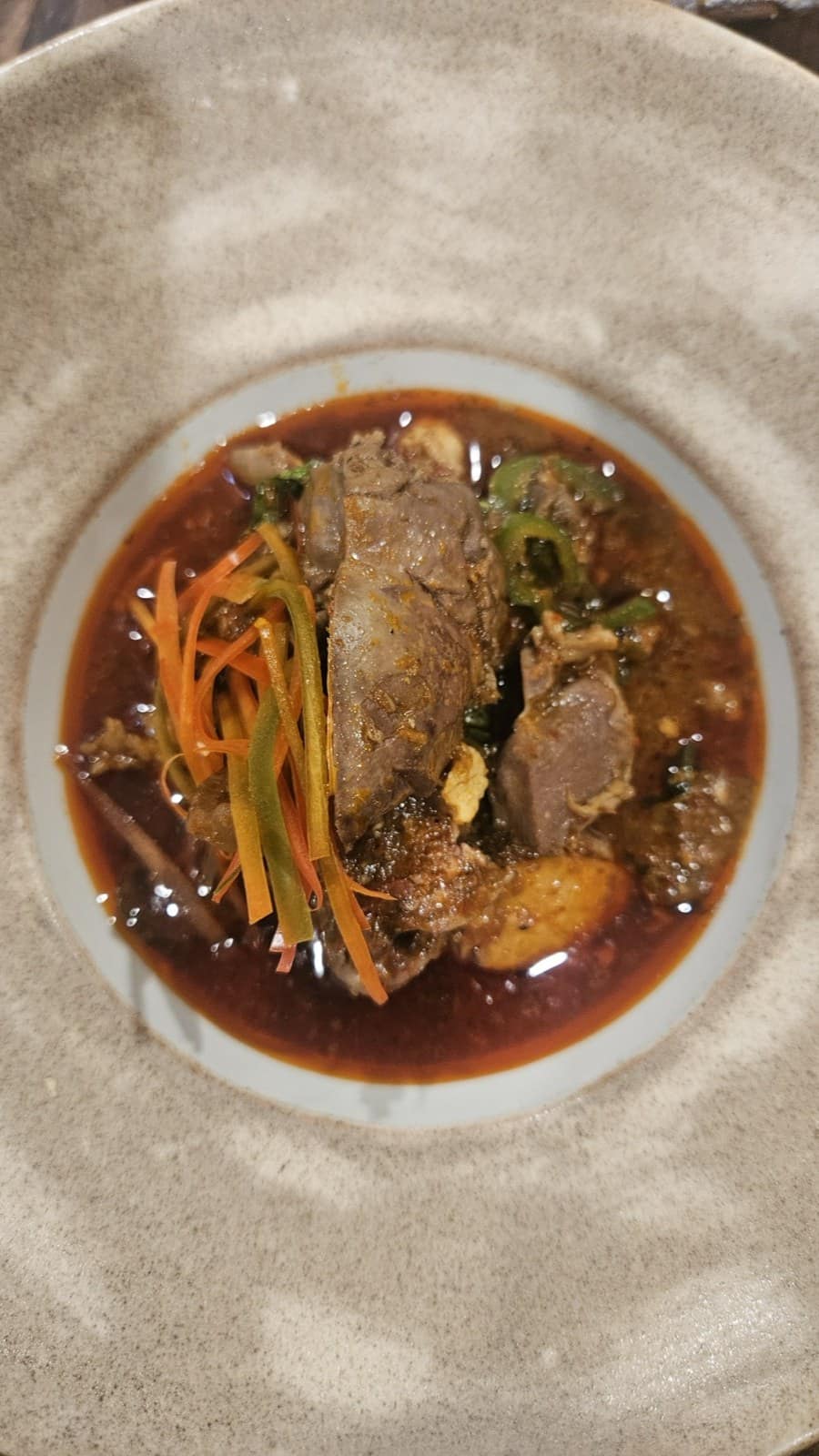
Big Island beef and pasture-raised meat, slow-braised and fire-finished.
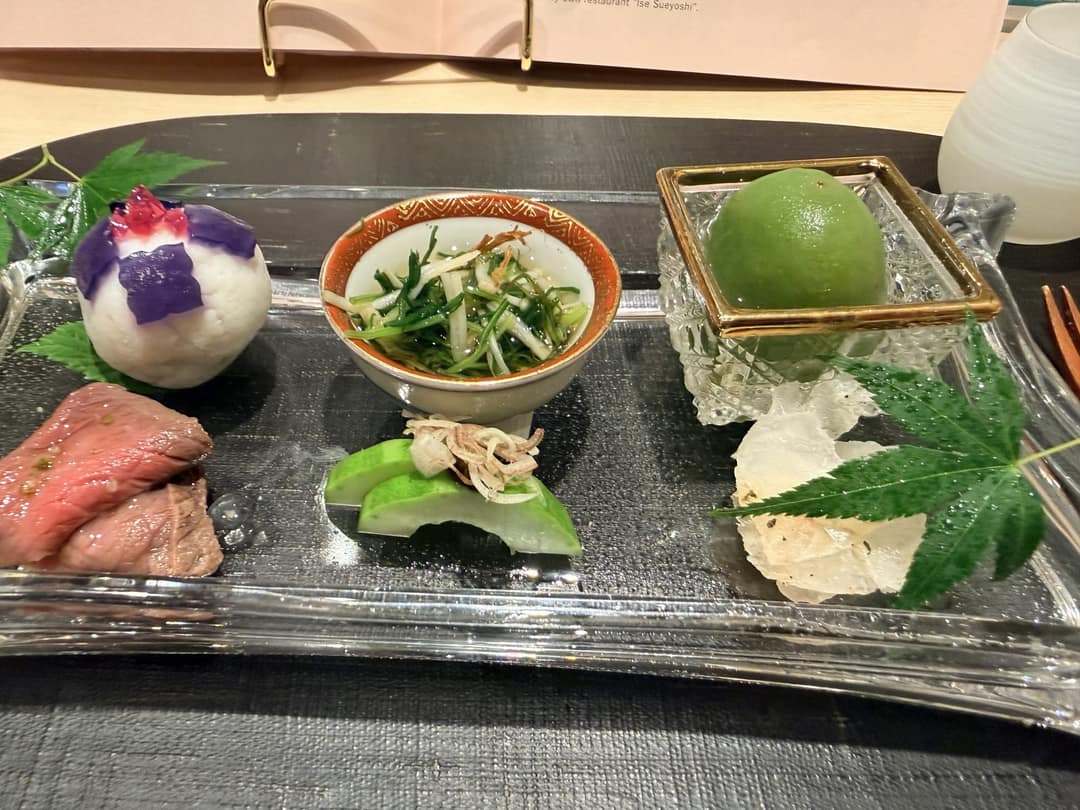
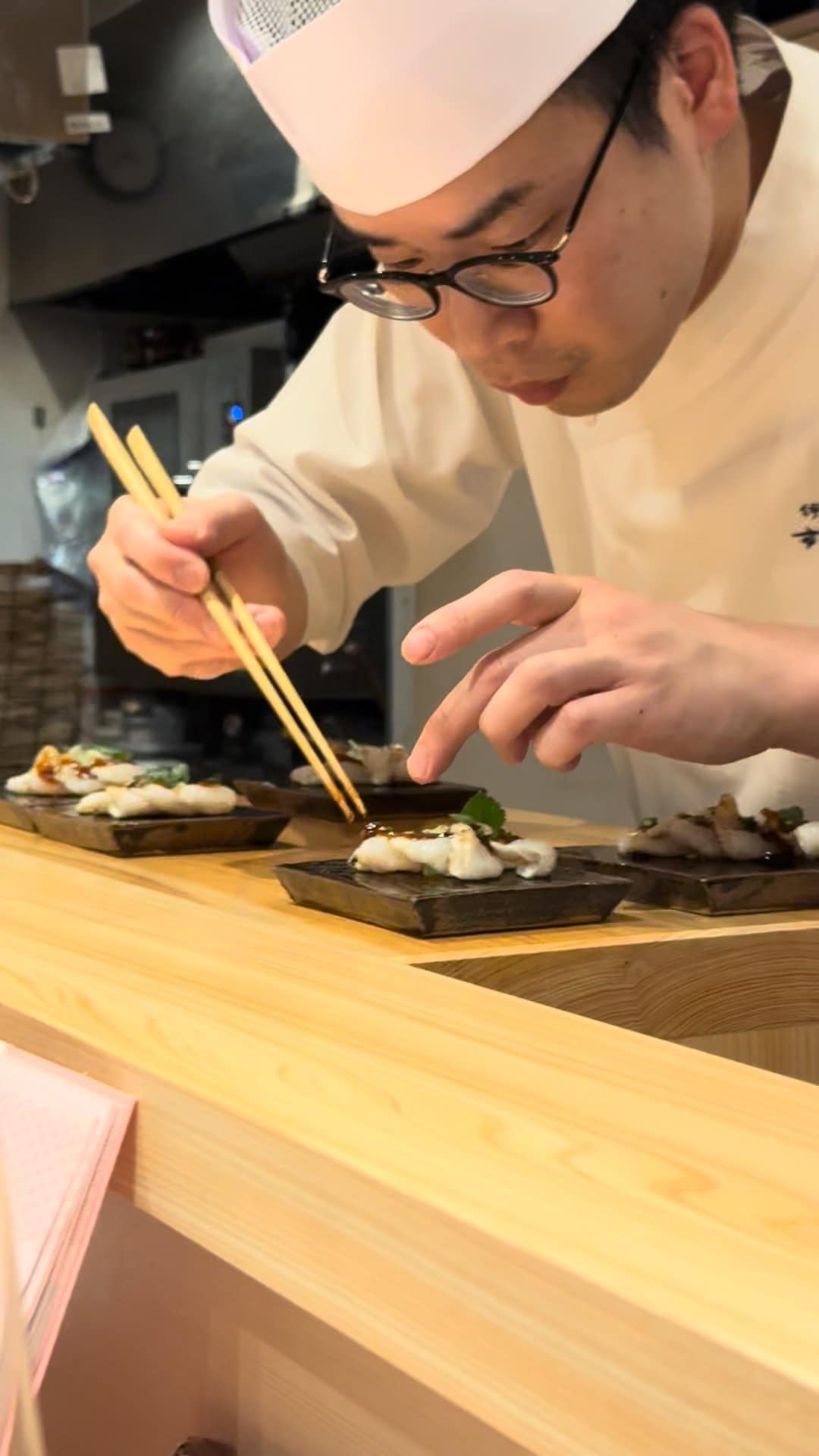
Courses in season order, the way I trained at Ise Sueyoshi in Tokyo.
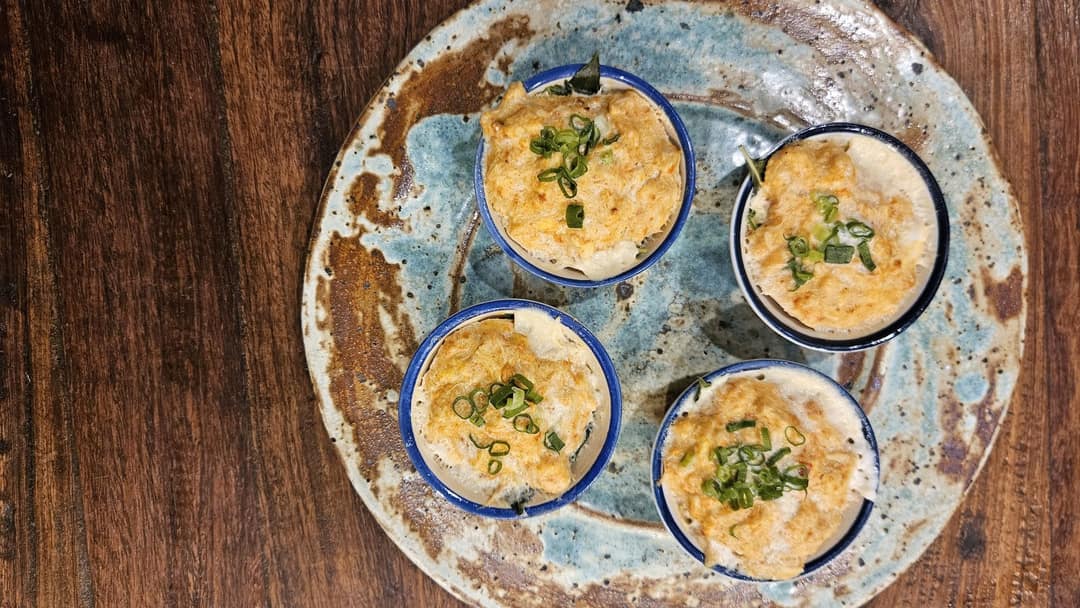
Pastes pounded fresh and herbs by the handful, from a Chiang Mai kitchen garden.
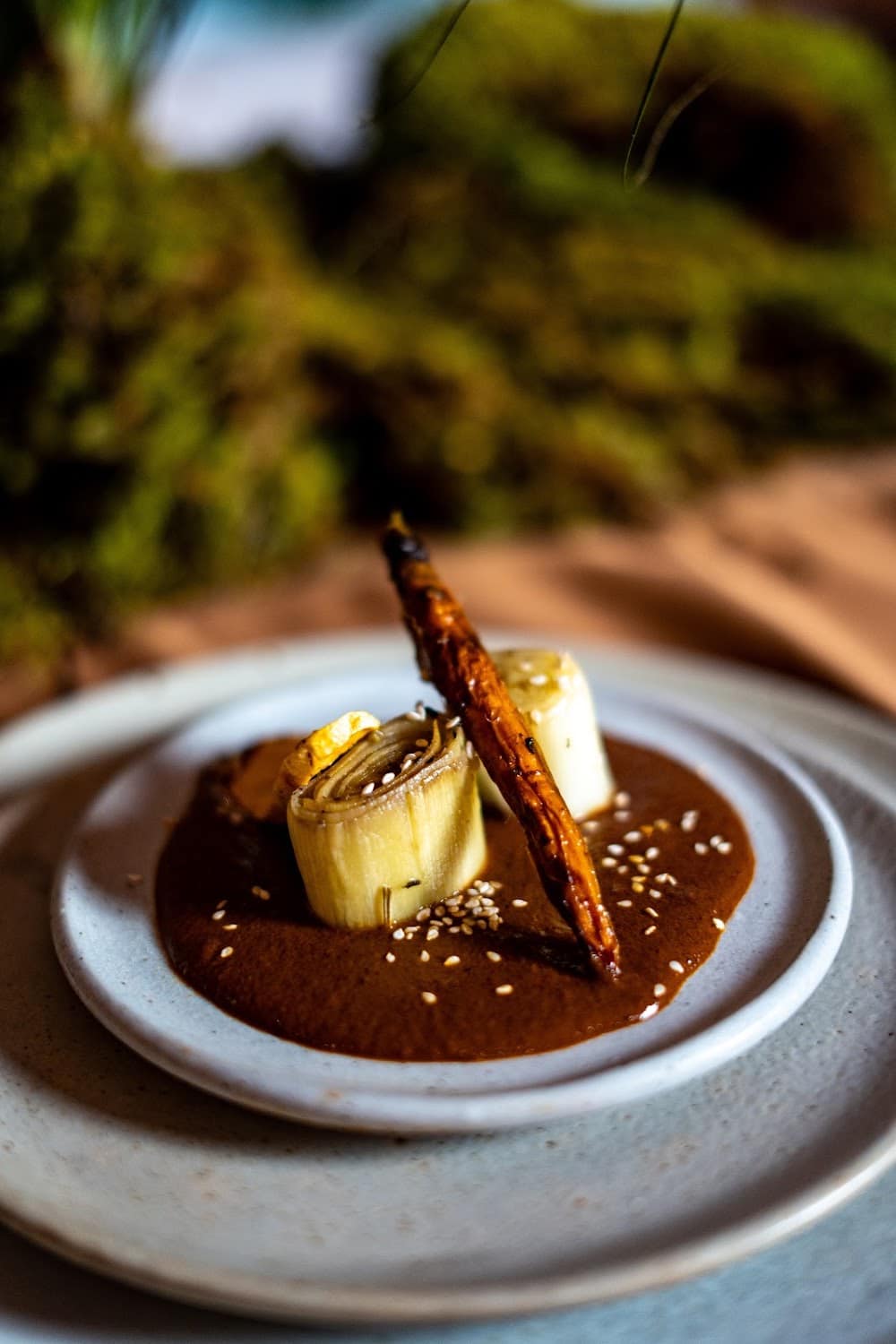
Moles built over hours and corn the slow way, from teachers in Oaxaca.
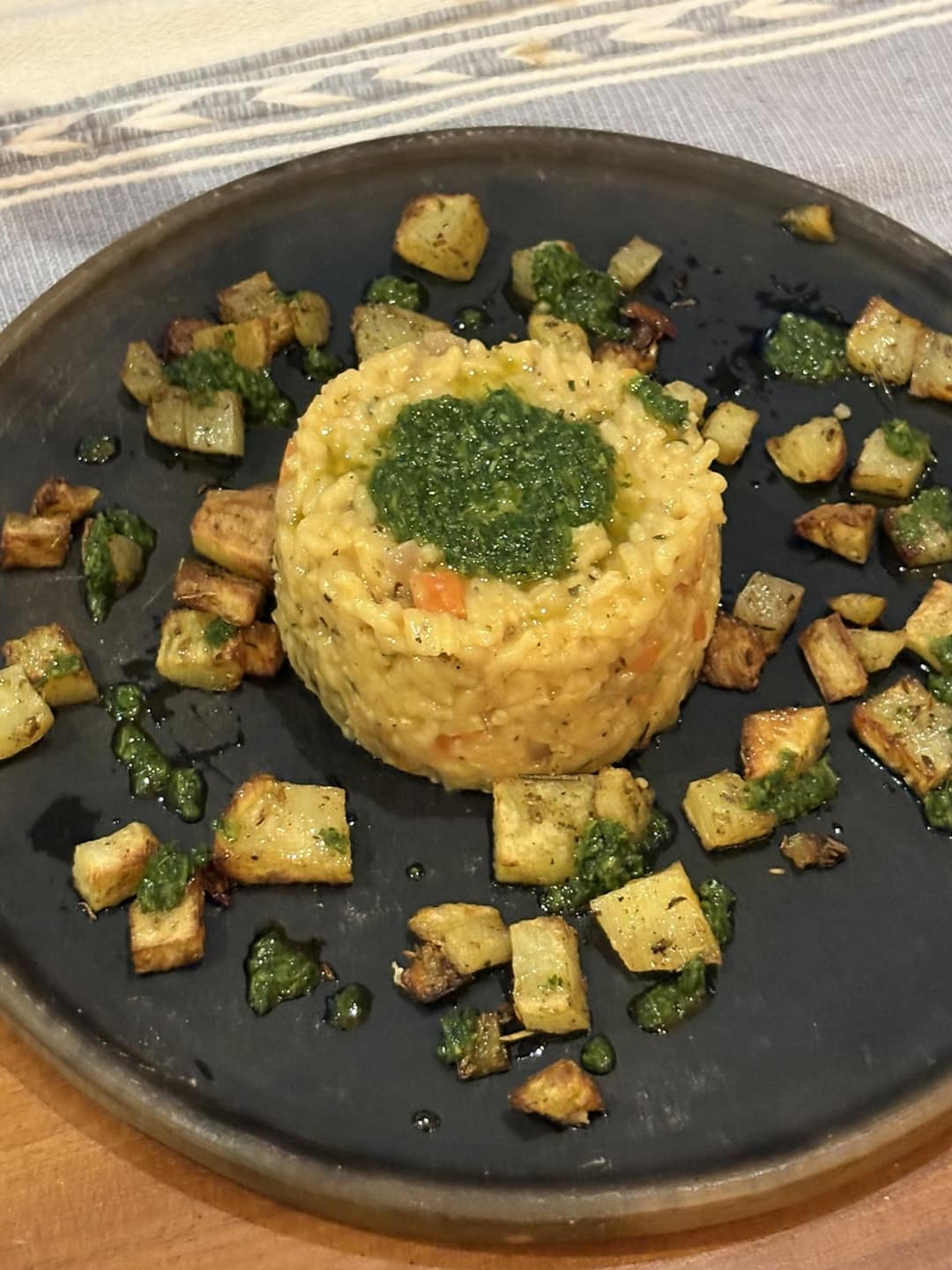
Where it started: my grandmother’s restaurant, hand-rolled pasta and long-simmered sauces.
What goes on the plate
01
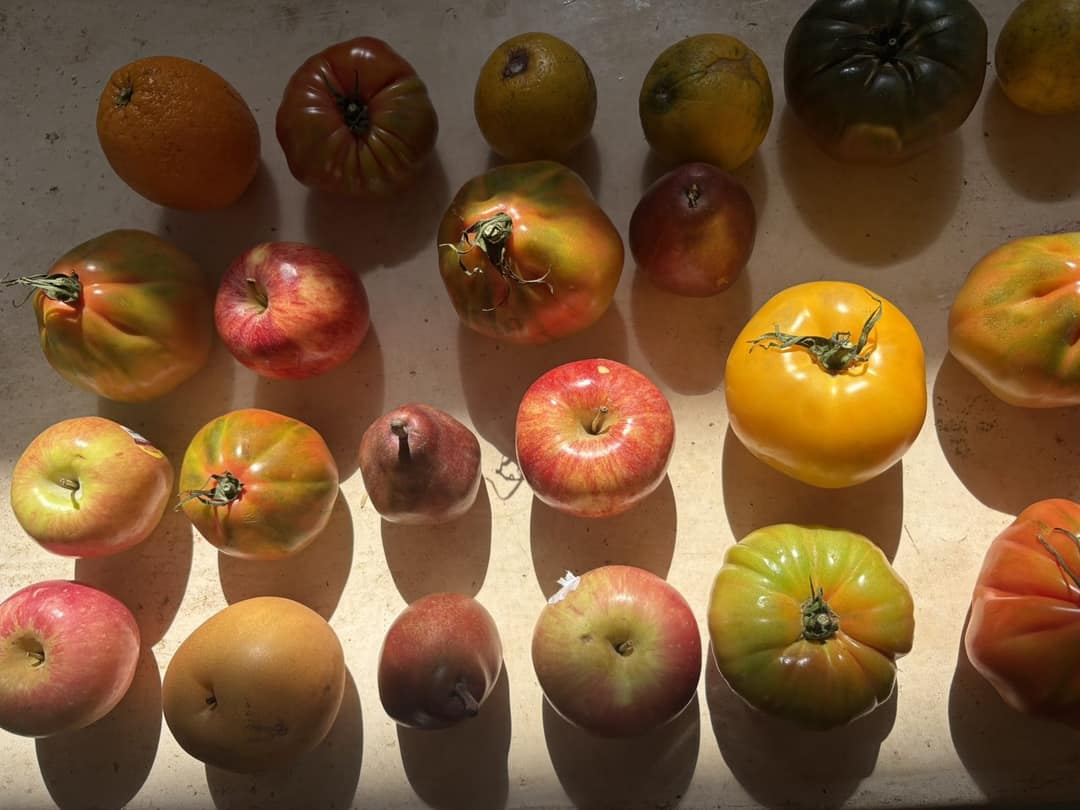
Organic where possible, from regenerative farms, the farmers markets and the boats. The island eats by month, and so does the menu.
02
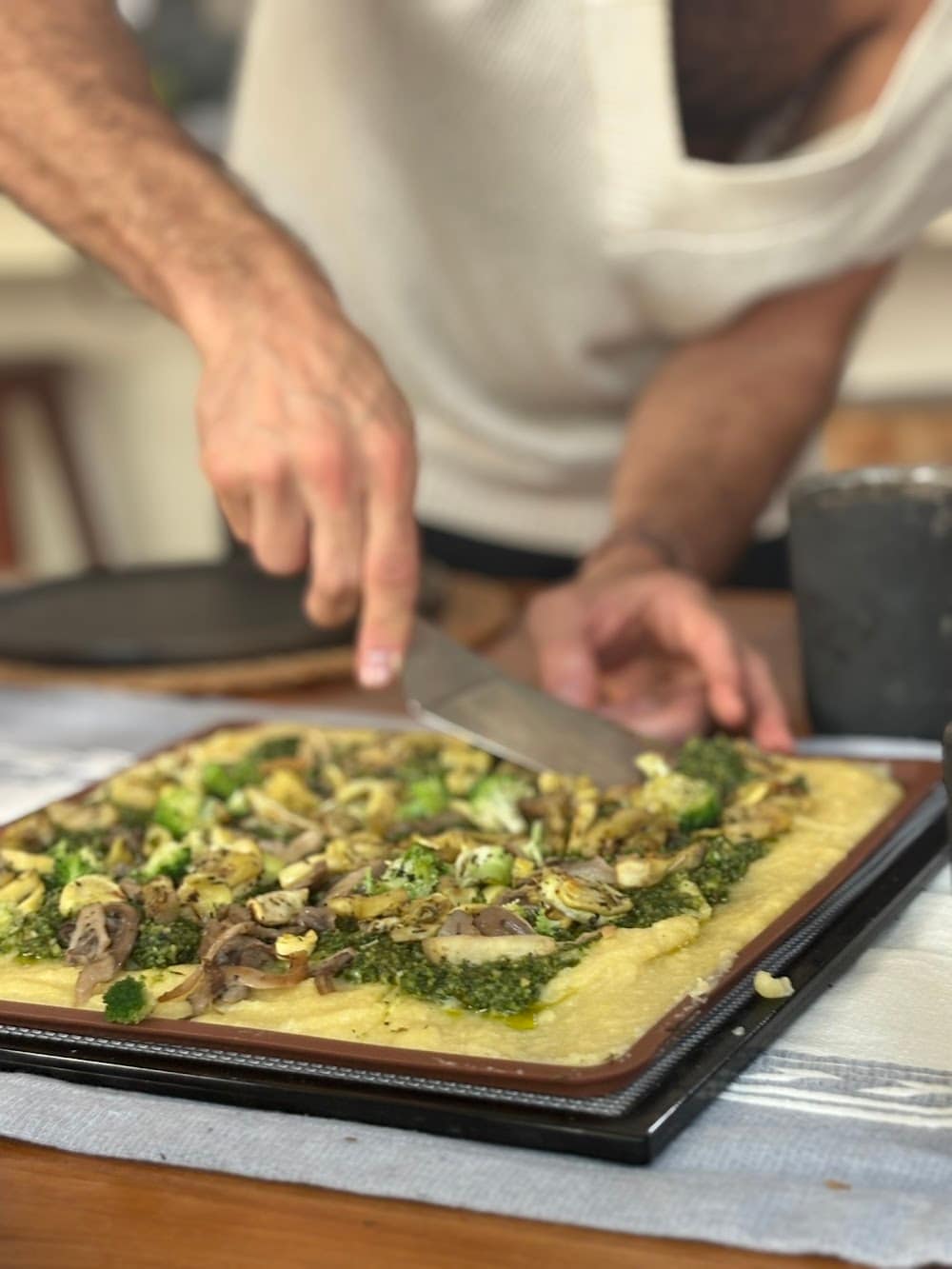
Every sauce, broth and dessert made by hand from whole ingredients. No refined sugars, seed oils, dyes, preservatives or additives.
03
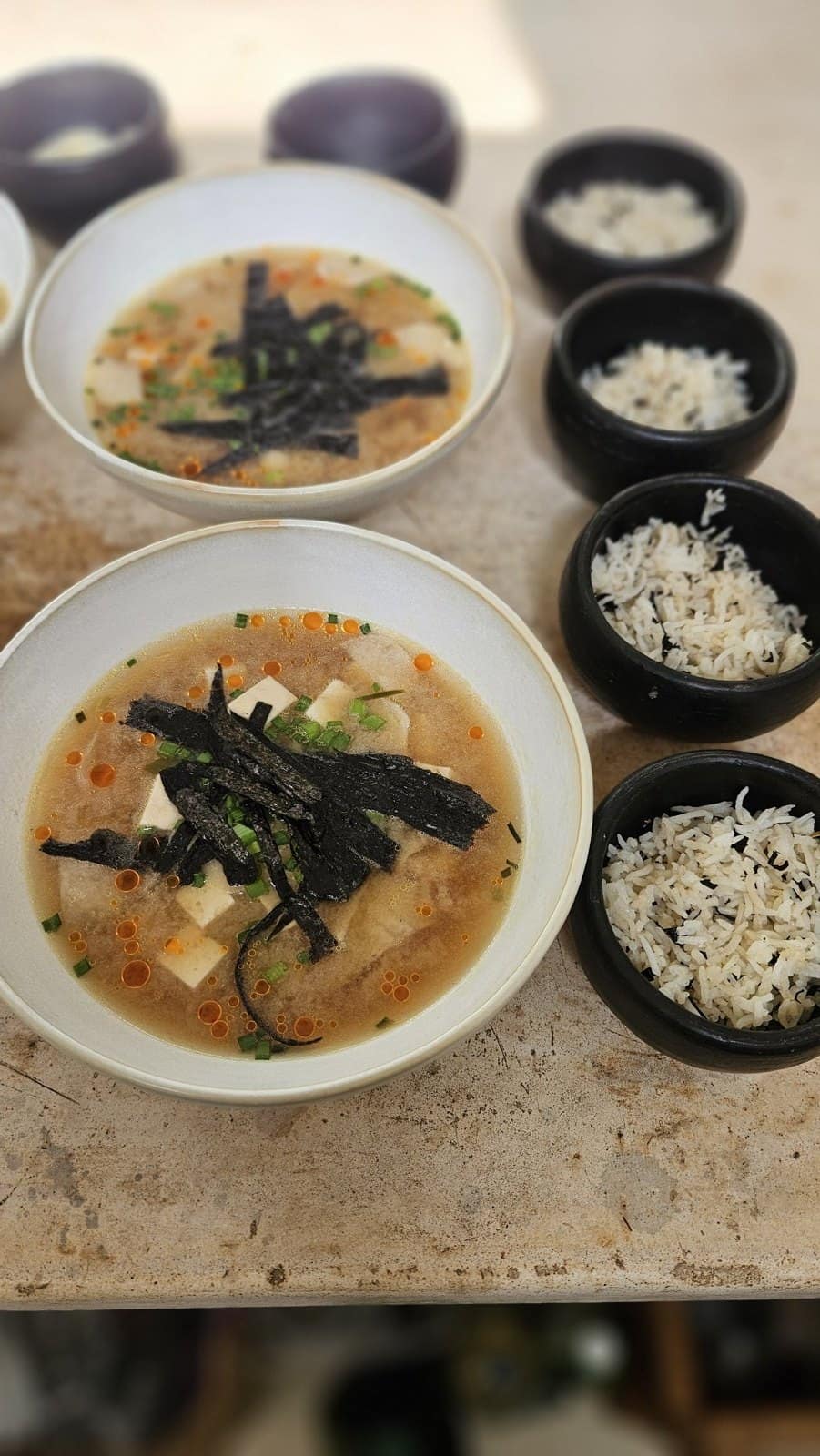
Some dishes are served raw or warmed just enough to keep colour, flavour and nutrition. Others want fire and time. The ingredient decides.
04
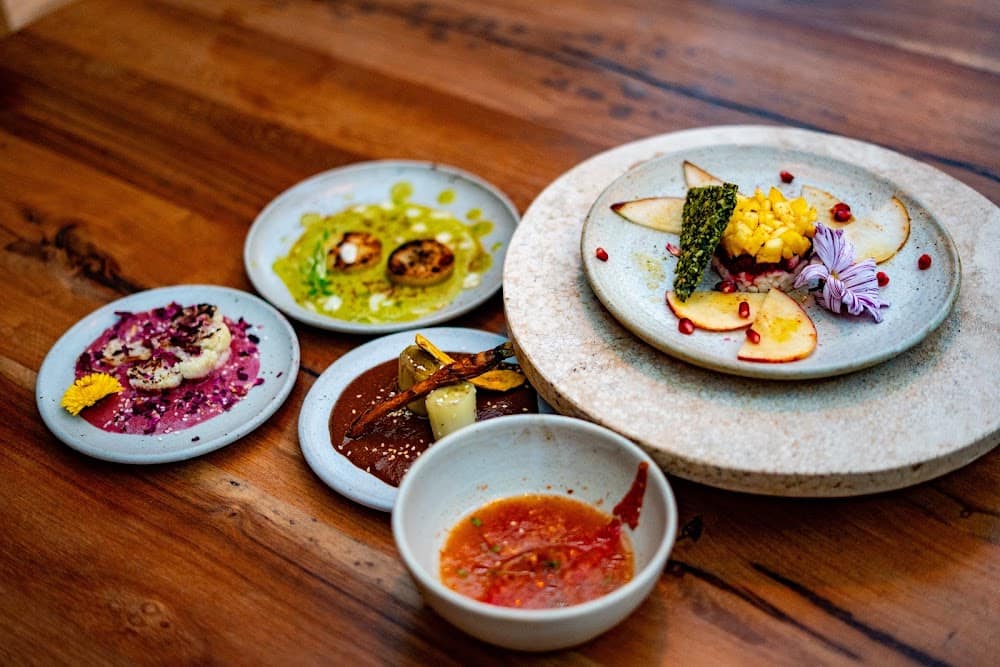
You read and approve the menu before the day: the courses, every allergy and preference, the pace of the evening.
05
Trimmings and bones into broths, scraps to the compost. The kaiseki habit of leaving not a single grain of rice.
What the island gives
Hawaiʻi Island grows almost everything. Waimea greens and Hāmākua mushrooms, ʻulu and kalo, lilikoʻi, mango and lychee in season, Kona coffee and macadamia, vanilla from Paʻauilo, salt from the Kona coast, and fish landed that week at Honokōhau.
I build each menu around what is best right now, name the farms and fishermen behind it, and let one ingredient lead every course. These foods carry generations of island knowledge, and I prepare them with respect for the people who first grew them here.
The farms, markets and boats I buy from →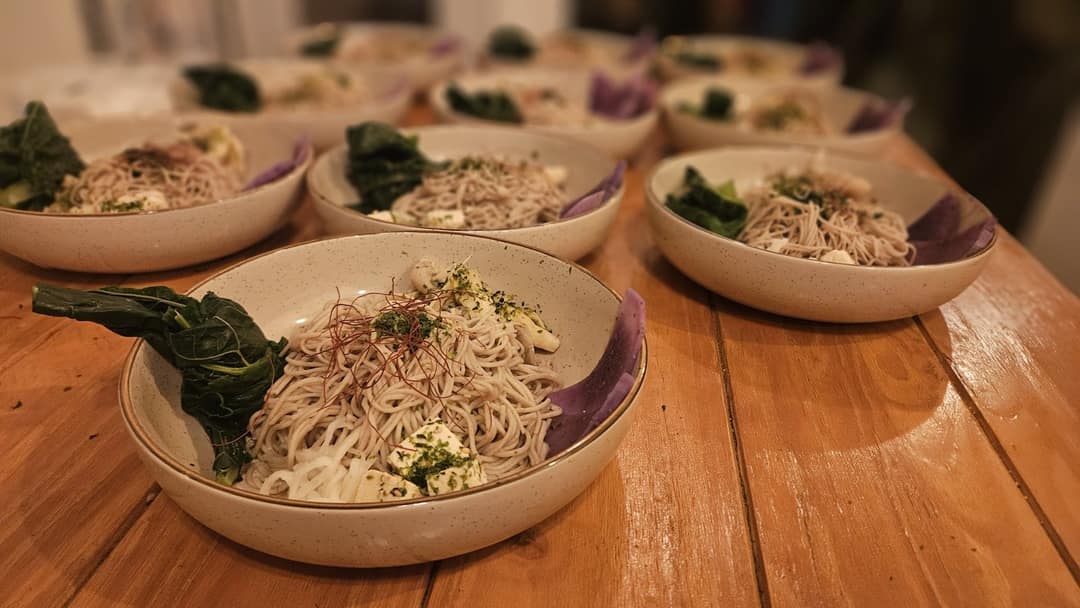
Where it comes from
Nishi-Azabu, Tokyo
Order and restraint. One perfect thing in a clear dashi, courses that follow the season, and nothing on the plate that does not need to be there.
Read about the training →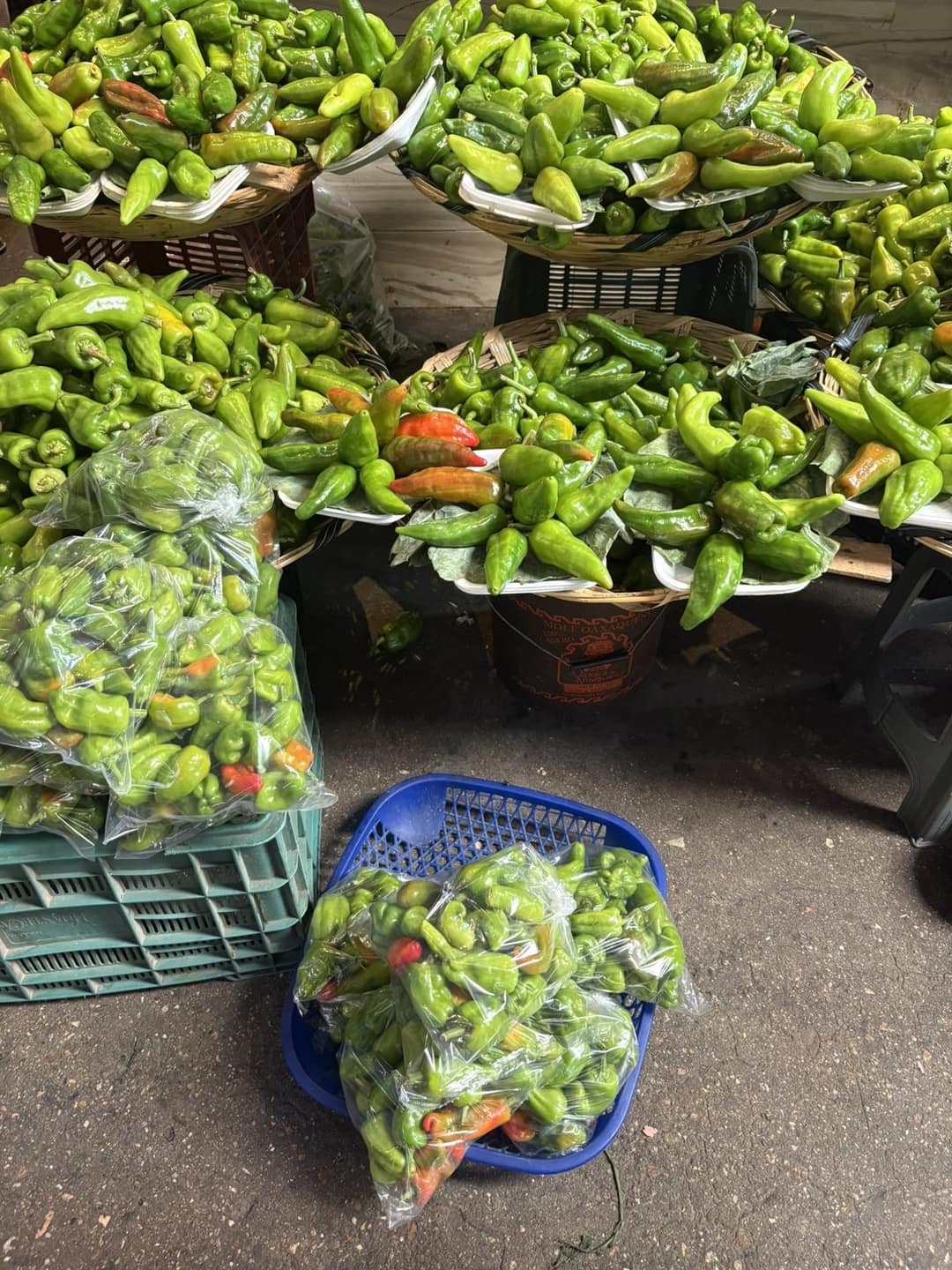
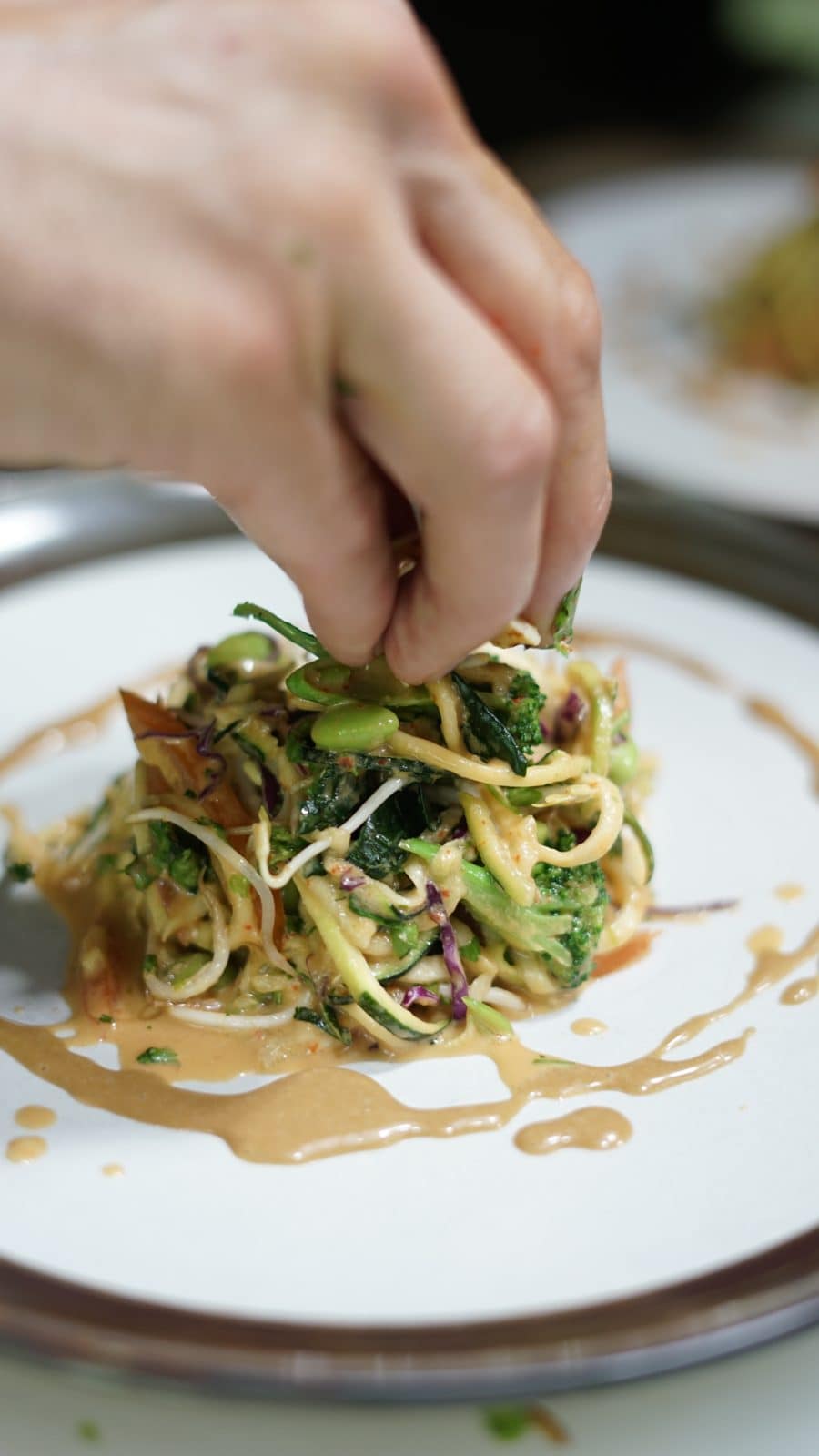
Mexico City · Oaxaca · Tulum
Fire and patience. Corn nixtamalised the slow way, chiles toasted on the comal, moles built over hours, and a table that stays loud and long.
Sayan, Ubud, Bali
Raw and living food. Vegetables treated as the main event, fermentation, and dishes gently warmed so that colour and nutrition survive the journey to the plate.
Read about the training →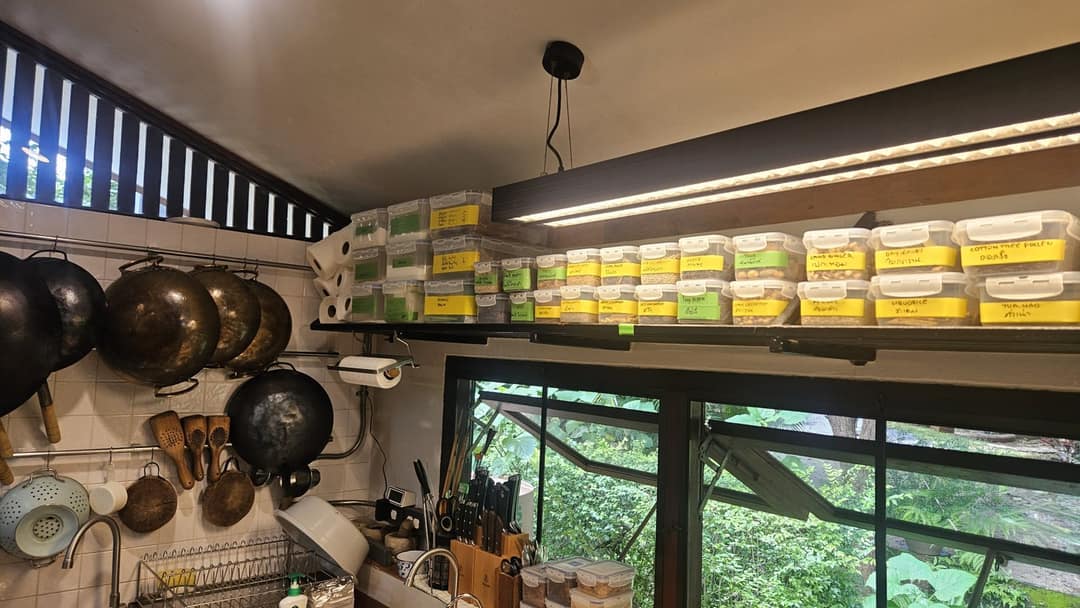
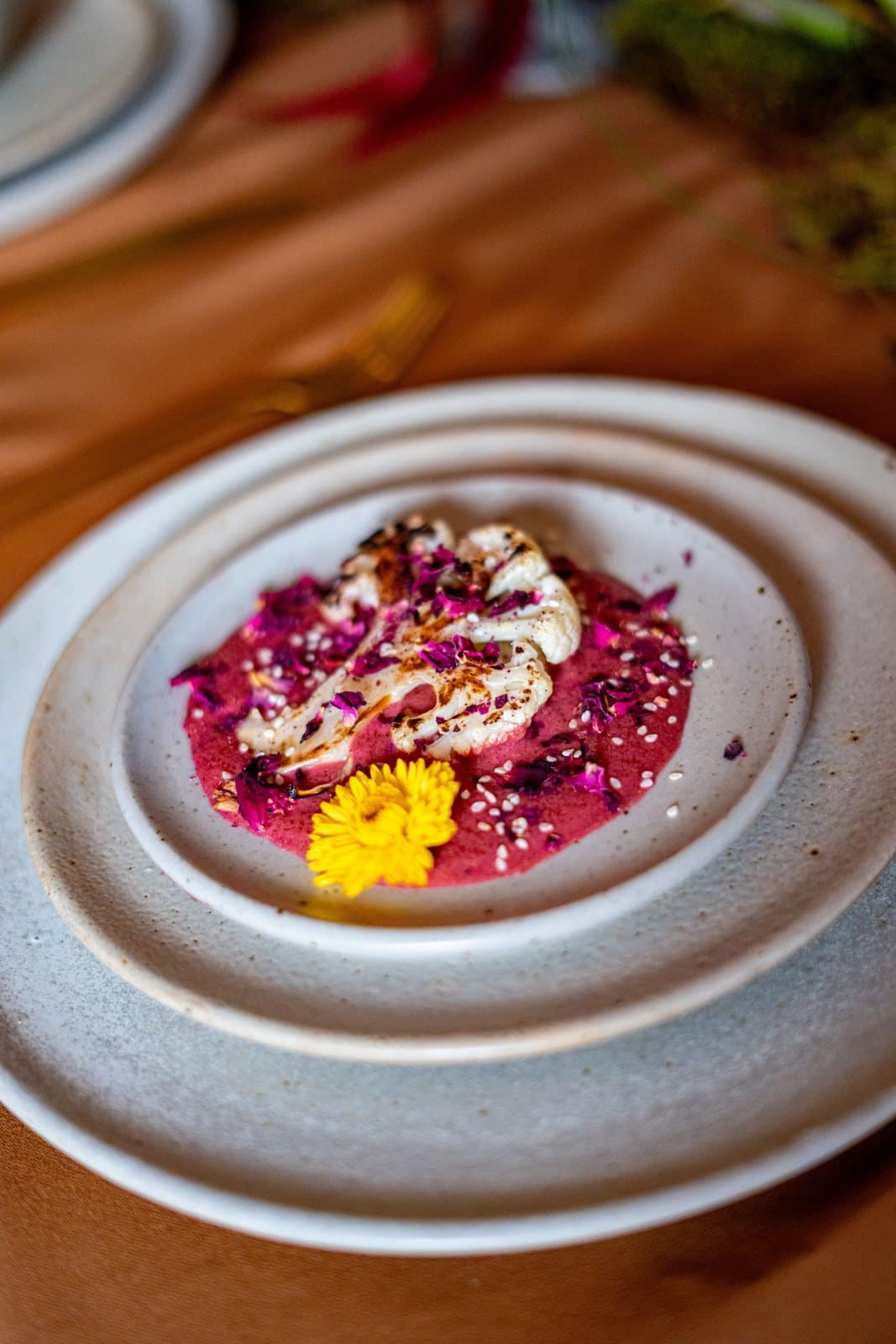
Doi Saket, near Chiang Mai
Old Siamese cuisine. Herbs by the handful, pastes pounded fresh, the balance of sour, salt, heat and bitter, with the garden a few steps from the kitchen.
Everyone at the table
A table rarely eats one way. A vegan friend, a steak lover, a guest with a nut allergy, a child who wants it plain. I plan one menu where each of them gets a plate made for them, with the same care as everyone else’s.
That is why the menus come in three levels. Rooted is fully plant-based. Elevated adds fish and meat from the island. Lux keeps the same courses with premium ingredients: Big Island abalone, lobster, Japanese imports. Any of them can be made vegan, raw or gluten-free.
See the menus and levels →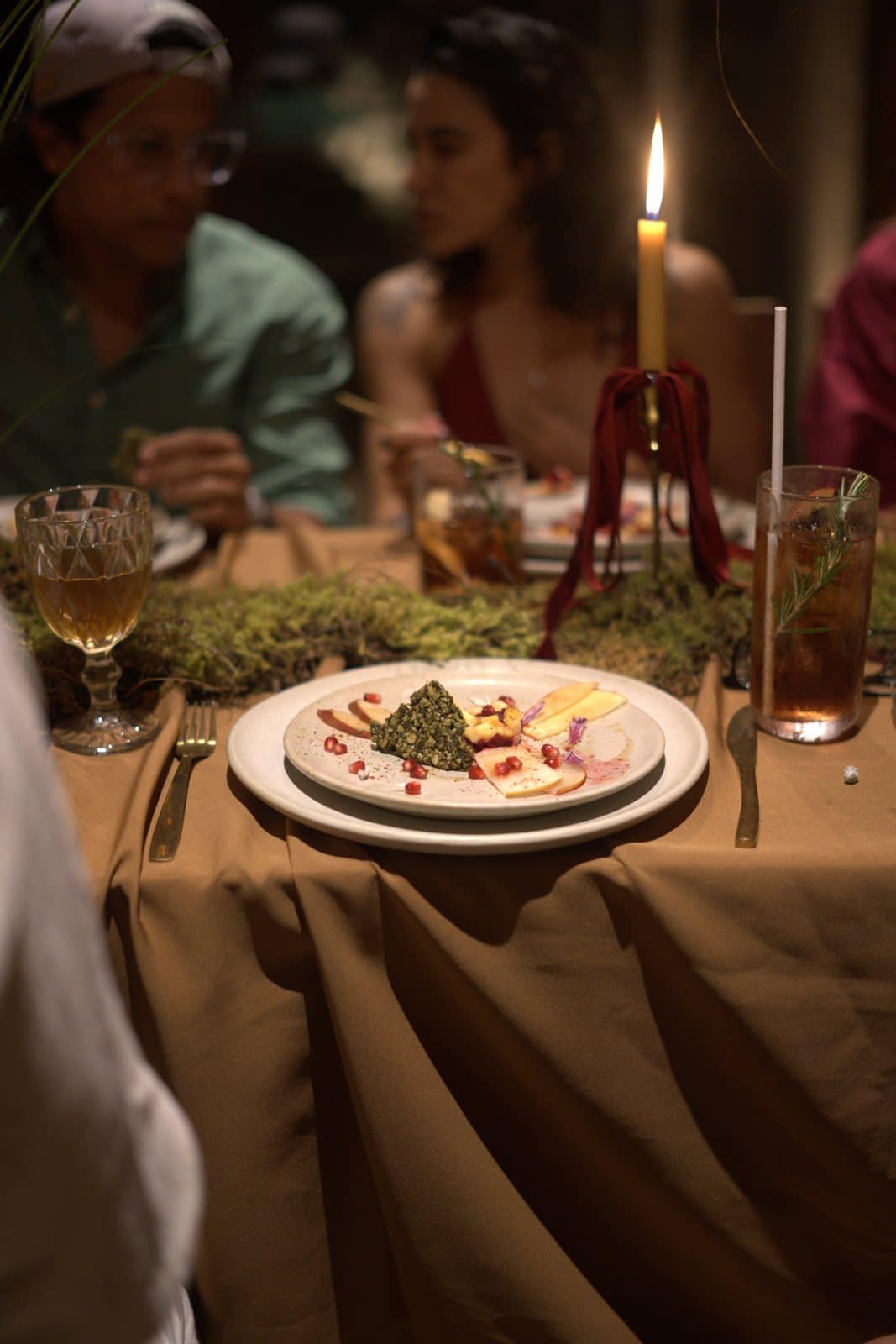
Tell me the date, who is coming and how you like to eat. I will plan the menu with you ahead of the dinner.
I never knew raw vegan food could taste this complex, rich, and exciting. The chef creates dishes that feel like fine dining — layers of flavor, beautiful textures… Every bite felt like art.